

 Português
  Indonesia
  Thai
Thai  Tiếng Việt
  Italiano
  Français
  Deutsch
 Sustainable Investing for Global Development in Online Trading– Beyond2015
What are the best online trading brokers for sustainable investing?
The importance of sustainability in this economic landscape has initiated massive ongoing efforts to combat environmental degradation, social discrepancies, and many other significant issues worldwide.
The two leading initiatives that are prominent catalysts for solving these issues are Millenium Development Goals (MDGs) and Sustainable Development Goals (SDGs), which are explained in detail below.
Check out or most popular online trading articles
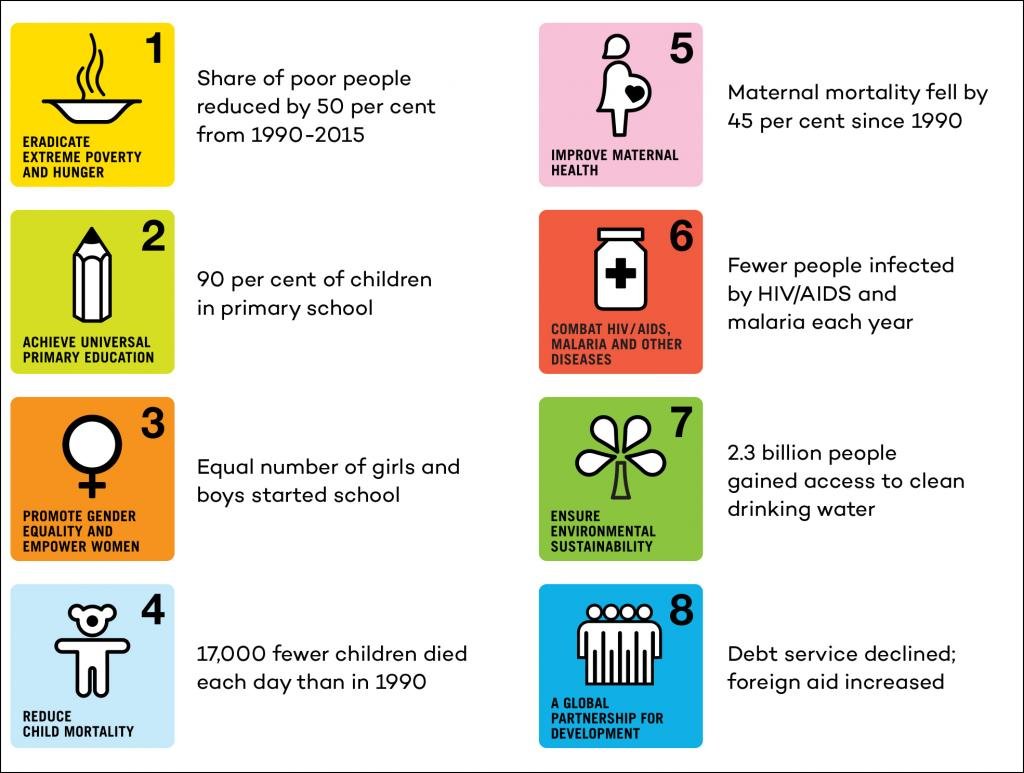
UN Millennium Development goals (MDGs)
The MDGs were eight international development goals set by the UN members. They were to be achieved by the year 2015. Put, the MDGs were established in the year 2000 at the Millennium Summit after the United Nations Millennium Declaration.
22 international organizations and 191 United Nations member states agreed upon making the MDGs a reality.
UN Sustainable Development Goals (SDGs)
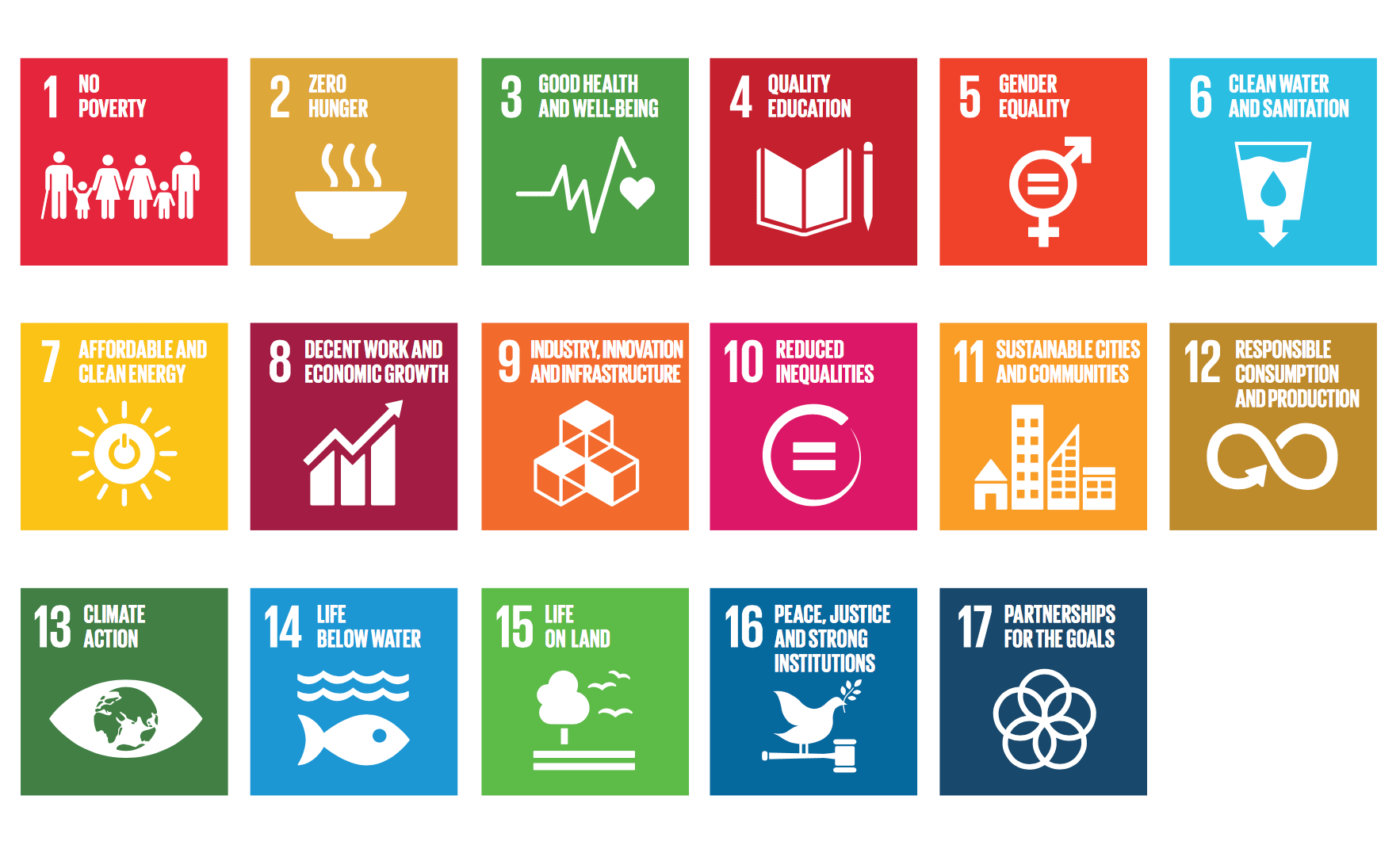
The Sustainable Development Goals (SDGs) are 17 interconnected global goals that were implemented to achieve a better and more sustainable future for the whole world.
The SDGs were put in motion in 2015 by the United Nations General Assembly (UN GA), and 2030 was set to be the deadline for these goals. As a successor of the MDGs, the SDGs expanded and improved upon the MDGs' pre-existing global framework, which concluded in 2015.
The 17 SDGs essential for the betterment of sustainability across the globe are:
Developing countries such as Indonesia, Thailand, Vietnam, Brazil, and India, among others, have benefitted immensely through the MDGs and SDGs.
What is Sustainable Investing?
Sustainable investing is the investment practice that takes an individual's ethical and moral values towards environment, social and corporate governance (ESG) into account and combines it with traditional investment strategies to determine investment choices.
This form of investing is perfect for investors who want their money to make a positive impact on the world at large and avoid the companies that contribute negatively to the environment and society in the form of massive carbon footprints, low worker wages, etc.
“US Sustainable and Impact Investing Trends,” which is a report by The US SIF Foundation, detected $17.1 trillion in total assets under management at the end of 2019 using sustainable investing strategies. This is a massive 42 percent increase from the $12.0 trillion identified in 2017.
Thus, out of the $51.4 trillion of total US assets under professional management, about 33% of the entire financial distribution involves sustainable investing strategies. This piece of research shows the steadily growing popularity of sustainable investing in this economic landscape.

ESG Index
The Environmental Social Governance Index (ESG) is one of the primary methods used by top investors in this field to filter out proper entities to invest in.
This index evaluates an investment based on the following factors:
- 1List Environment: Total energy consumption, pollution, climate change, waste production, natural resource preservation, and animal welfare is taken into account.
lement - 2Social: Human rights, child and forced labor, community engagement, health and safety, stakeholder relations, and employee relations are taken into account.
- 3Governance: Quality of management, board independence, conflicts of interest, executive compensation, transparency and disclosure, and shareholder rights are considered.
How is Sustainable Investing Connected to the UN SDGs?
SDGs include major aspirations like providing sufficient food to the poor, promoting gender equality, empowering the illiterate with proper education, creating a stable infrastructure for everyone to access clean, affordable energy, and building more sustainable cities and communities. But to fulfill any of them, a good amount of financial support is required.
Many enterprises and institutions are forming with a focused intention to contribute to social and environmental welfare, but they need capital in order to expand and have a bigger impact. Sustainable investing plays a crucial role in helping these enterprises develop more through funding.
In a nutshell, sustainable investing ensures that private capital is tapped for the growth of budding enterprises in alignment with the SDGs. This, in turn, attracts attention and funding from even more investors while maintaining a decent profit margin.
Types of Sustainable Investing
With lots of investment styles and variations implemented by top financial experts, some of the most prominent types of sustainable investing are explained in detail below.
1. Green Investing
This type of sustainable investment aims to invest in business enterprises that positively impact the environment. Although it shares many similarities with SRI (socially responsible investing) and ESG (environmental, social, governance), the criteria are more specific in terms of investment options, focusing solely on the ecological impact.
Some major green business sectors include:

2. Socially Responsible Investing (SRI)
This type of investment strategy is based on proactively eliminating candidates that don’t align with the investor’s moral compass. Although ESG is used here, instead of financial prospects, the focus is more on finding potential investments that match the investor’s values, religious inclination, and political beliefs.
For example, investors can detect and weed out businesses supporting firearms production from their investment portfolio if they hold anti-conflict beliefs.
Some prominent negative SRI screens include:

3. Impact Investing
Impact investing is the practice of investing in a particular business entity with a specific social, political or environmental impact in mind.
The prime focus of impact investment is to support a business or an enterprise to help them accomplish beneficial goals for the environment and society.
Often compared with philanthropy, an example of this type of investment would include an investor funding a nonprofit organization that provides free education to children and affordable food for families in an underprivileged part of the world.

To conclude, the process of selecting sustainable investing candidates requires a lot of research. A broker can be hired to make this process easier, but that’s not an option for the general public since their services are really expensive.
Thus, the best option for the general public when it comes to trading is online trading brokers. To sum it up, they make the process of selecting investment opportunities much more manageable and organized for a nominal fee which ranges from 5 USD to 20 USD.
Which Assets are Sustainable in Online Trading?
Here are a few sustainable assets in online trading:
1. Sustainable Company Stocks
One of the most popular and frequent forms of sustainable investing assets includes the stocks of environmentally friendly businesses. Be it companies aiming to provide renewable sources of energy to the masses or companies researching on developing biodegradable alternatives to harmful pollutants such as plastic and other substances.
Investing in company stocks that are committed to the welfare of the environment is a staple choice in this investment strategy.
Some famous Ethical company (an organization that clearly explains environmental, social, and governance rules) stocks include:

2. Sustainable Ethical Funds
Provided by asset management firms, ETFs, mutual funds, and index funds, they are considered a solid investment option in this field due to their broad exposure to many ethical businesses all over the globe.
An example would be investing in a company pioneering in developing more environmentally friendly materials. Ideally, this company would support a good cause while investing in a potential breakthrough that can yield profitable financial returns.

3. Sustainable Cryptocurrency
Bitcoins are based on a proof of work verification system for their blockchain, which involves many calculations and immense processing power to produce coins. Thus, environmentally conscious traders have started exploring cryptocurrencies with a lesser carbon footprint, or in other words, cryptos with more straightforward calculations.
Cryptocurrencies that rely on a proof of stake system have a much simpler calculation process for generating currency. Additionally, alternative green cryptos have fewer transactions daily, making it a perfect choice for sustainable investing.
Some examples of eco-friendly cryptocurrencies include:


Beyond2015 appeared on the market in 2014. Since then we have continuously created the new and improved the old, so that your trading on the platform is seamless and lucrative.
Best Treading Company's:
Contact us:
contact@beyond2015.org
Risk Warning:
The promotions offered by the site are highly speculative and their execution can lead to the loss of your entire capital. You just have to invest the amount you can afford to lose. Trading is not suitable for all investors, so Beyond2015.org is not responsible for possible losses. The information provided on our website is not an investment advice, so make your own investment decisions based on your own judgement.
Beyond2015, © 2014-2021
Privacy Policy Sitemap